
Honda Africa Twin 2019

Introduction
There are still some people out there who think Africa is just one lump of jungle, where wild animals roam free and its inhabitants walk around in animal skin wrapped around them, as part of their clothing. To those of us who live here, Africa is one huge playground, especially for the adventure lover. There is endless land and rolling hills to explore, valleys and riverbeds add to the adrenalin flavour.
We recently rode to Lesotho with a group of friends, we could not resist the urge any longer and felt compelled to explore some routes not often ridden. The Honda CRF 1000L Africa Twin was our mode of transport, and how appropriate, seeing that Lesotho is synonymous with horses used for ferrying locals almost anywhere.
Thirty years ago, in 2018, Honda XRV650 Africa Twin was introduced to us, and it was in 2016 that the CRF 1000L Africa Twin was launched and shared no common part with its fore runner.

EXTERIOR AND STYLING
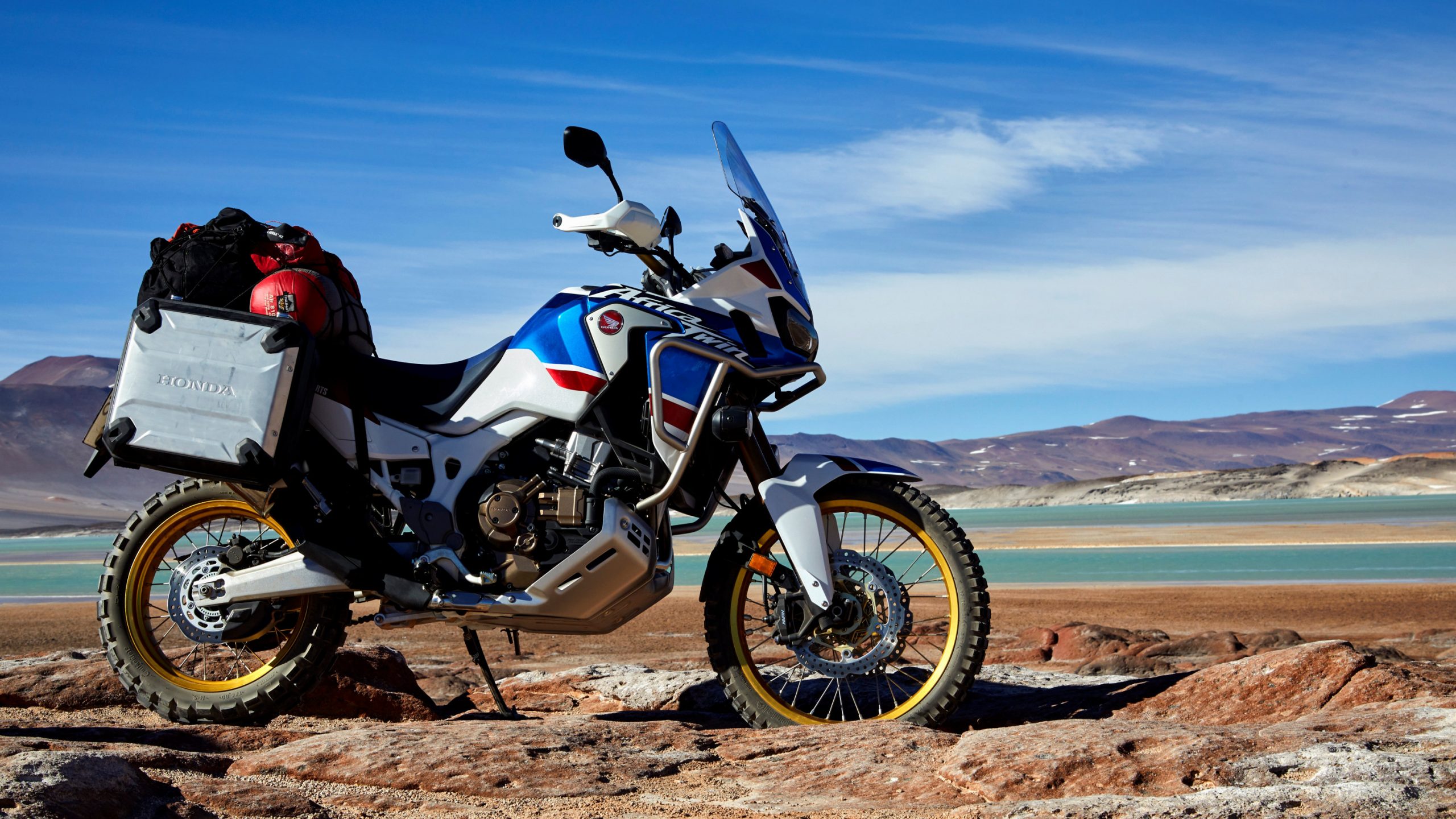
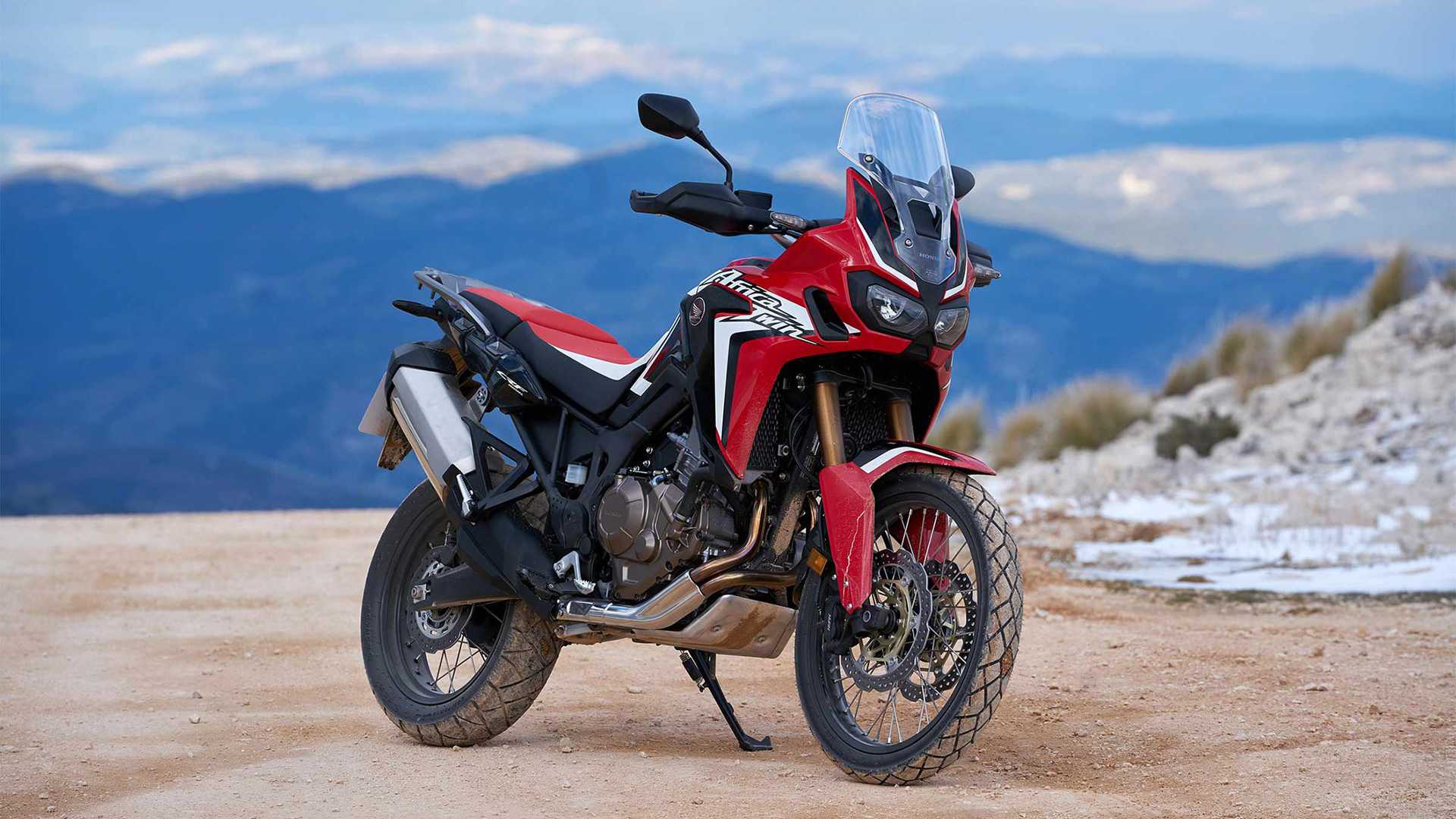
The Japanese are not too crazy about their products looking “wow”, but they do have a huge passion for practicality, the Africa Twin is one such product. The bike is styled with minimum bodywork in a tough, lightweight form that offers both wind protection for the rider and a slim agile feel. Dual front LED headlights add to a “no -fear” character and are very efficient in the dark. Either side is flanked by LED indicators and its overall stance is ready for action, following very closely to that of a Dakar race machine.
The handlebars are positioned just perfect for riding while seated and even when standing. My test model was a DCT (Dual Clutch Transmission) which meant it was fully automatic, and where the clutch would traditionally be, a park brake is added and is easily operated with one hand. And, for obvious reasons there is no gear lever, which was initially odd, but in time the left foot got used to doing nothing, except keep me balanced.
The display is both practical and readable in all light conditions, not to mention easy to read. A slim 18.8-litre tank fits snugly between the rider’s thighs, making for a comfortable connection between rider and machine. Thanks to a small, lightweight engine that one feels they can penetrate every possible gap, this comes in very handy especially for off-road.
The rider seat is adjustable from the standard 870mm to 850mm to accommodate dwarfs like me. With that said, ground clearance is not compromised and a healthy 250mm is achieved.
Foot pegs are upgraded and allow for standing for much longer periods. The rear of the bike is very appealing to the eye and all lights are LED, with ample space to load both side boxes and a top box.
The front shocks are 45mm Showa and are fully adjustable and the rear shock fully adjustable too. It is either lack of cushioning on my part, or on the bike, or a combination of both, but I ended up with a dose of “bum-sitis”. “Bum-sitis” is a rare medical condition caused by intentional extreme fun and exciting adventure while not being able to access nerves to the bums, but willing and excited to carry on.
The 21-inch front and 18-inch rear spoked wheels are now made of stainless steel with block tyres approved for fitment.
The following colours are available: Matt Ballistic Black Metallic, Pearl Glare White, Grand Prix Red (Team HRC Rally colour) and Candy Chromosphere Red

Performance (engine and off-road
The CRF 1000L Africa Twin’s 998cc SOHC 8-valve parallel-twin engine’s 2018 upgrade sees it receive Throttle By Wire (TBW) plus riding modes and expanded Honda Selectable Torque Control (HSTC). Whereas the outgoing model had 3 levels of HSTC, the new system features 7 levels, with level 1 being the most aggressive for riding off-road on block tyres, or “knobbies” as we know them. The HSTC system can be turned off completely.
Peak power of 70kW arrives at 7,500rpm and a torque of 99 Nm is achieved at 6,000rpm. In DCT a fuel economy of 21.8km/l can be achieved which provides a range of over 400 km.
My first impression of the DCT was that the bike would be unresponsive and sluggish, but I was proved wrong. More than anything inclusion of the automated transmission also gave an impression of the brand going soft, but there too, I was wrong. The DCT comes in very handy especially when off-road. The rider worries less on gear selection and focuses more on the terrain ahead, as the bike is always in perfect gear. Being able to detect incline makes for even more engineering and riding magic.
The G switch further improves rear wheel traction when off-road and this makes the Africa Twin a bike of choice for endless miles of African adventures.
Though automatic, should the rider feel to engage the engine more, there are gear shift buttons on the left-hand handlebar for such. But, left in a certain gear for extended periods of time, the system reverts to automatic again, a sensible and cool feature in my view.
A wet weight of 240 kg for the DCT (the manual is 10 kg lighter) makes the Africa Twin very pleasant to ride off-road and to pick up in the case of a fall. I found the manual option of the Honda Africa Twin to be a lot more aggressive, agile and torquey.
SAFETY
Besides the normal safety features, we find on bikes like ABS and traction control, which can be switched off for off-road purposes, what stands out for me is the front indicators which stay illuminated during the ride, of course this is for more visibility on road. They do function normally for their intended purpose though.
Add to that are rear indicators than flash hazards automatically when sudden braking is detected. My test unit came in a tall and tinted windshield, which strained my neck and back trying to look over it, a clear visor would easily solve this discomfort.
Our thoughts:
Only one piece of engineering setback that troubles me, and one that is very crucial too in my view, the radiator cap can only be accessed by removing body panels, but this too can be resolved by carrying along the necessary tool.
Other than that, I honestly did not think I will enjoy riding the Africa Twin in DCT mode and I thoroughly did. It is a bike built solid and a bike very suited for our harsh African conditions.
While the African continent may not have wild beasts just roaming around anywhere and everywhere, the Honda CRF 1000L Africa Twin should be one such beast for every neighbourhood.
Unlike other bikes which are claimed to be adventure bikes, the Africa Twin is a true off-road adventure bike with very good road manners.
- Tumelo Maketekete
- January 2, 2020
- 2:37 pm